
Cost, insurance & access5 min read
Not All Online HRT Platforms Are Created Equal: Who Offers a Better Patient Experience?
Which Online HRT Platform offers the right care for you?


Be sure to check out my Trusted Providers Page to learn which products each clinic prescribes.
We have different needs and desires. Some of us want to use our employer provided prescription insurance and others want the new-to-market formulations that are bioidentical, but not covered by Insurance. We can likely agree, we all want whatever works for each of us and that's where I can assist.
I've tried nine different online HRT providers so I can help you navigate which might be the best fit for you. Be sure to see my Trusted Providers Page to see my experience with each along with what I was prescribed and the cost.

FDA-Approved vs. Custom Compounded: The Fundamental Menu Split
Navigating HRT prescriptions can feel overwhelming, so let me break it down and make it simple.
Most hormone replacement therapies focus on three primary hormones: estrogen (usually estradiol), progesterone, and testosterone. How these ingredients are prepared and packaged is what determines whether your prescription comes from a standard pharmacy or a compounding pharmacy.
1. Mass-Produced, FDA-Approved HRT
When a medication is FDA-approved, it means the FDA has evaluated and cleared not just the ingredients, but the exact dosage, delivery method, and manufacturing process.
- How it works: These are manufactured in controlled, mass quantities by pharmaceutical companies and dispensed at your local retail pharmacy.
- The ingredients: Standard FDA-approved options often use plant-derived, bioidentical hormones—like bioidentical estradiol patches or micronized progesterone capsules.
- Insurance coverage: Because they are standard, FDA-approved formulations, they are usually covered by traditional prescription insurance.
2. Custom-Compounded HRT
Compounded HRT is custom-made for your specific needs. Think of a compounding pharmacy as a specialized boutique pharmacy that creates customized formulations when off-the-shelf options won't work.
- Why it's used: Your provider might request a compounded option if you have an allergy to an ingredient or binder in standard medications, if you need a non-standard delivery format (like a specific cream or troche), or if your provider wants a customized dose or ratio of hormones.
- The FDA status: While compounding pharmacies use high-quality active ingredients, the final custom blend itself is not FDA-approved. Because each prescription is individually mixed for one specific patient, the custom formulation hasn't gone through the FDA’s mass-market approval process.
- Out-of-pocket costs: Because these custom blends lack individual FDA product approvals, compounding is almost always a cash pay service and rarely covered by standard prescription insurance.

The Full-Spectrum Virtual Clinic: In-Network Care & Comprehensive Prescriptions
If you’re looking for an online HRT platform that takes medical insurance and offers traditional, 1-on-1 video consultations with real menopause trained providers, two platforms function very much like a brick-and-mortar doctor’s office: Midi Health and MyMenopauseRx.
Both platforms conduct dedicated telehealth appointments—Midi Health books 30-minute consultations, while MyMenopauseRx offers 20-minute visits—and both partner with a variety of commercial insurance plans. (Be sure to check out my comparison chart to see which specific insurance carriers each platform accepts.)
In my own experience, neither platform accepted my employer-provided insurance plan, so I had to pay out of pocket for my visits. To give you an idea of self-pay pricing:
- Midi Health: Charges $250 for an initial consultation, with follow-up visits running between $125 and $250. They will attempt to bill your insurance first, and any uncovered portion or copay becomes your out-of-pocket responsibility.
- MyMenopauseRx: Charges a flat $99 self-pay rate per consultation if your insurance isn't in-network. Follow ups will range from $50 for chat session follow ups to $99 for an in person video consultation
Because both Midi Health and MyMenopauseRx operate like traditional clinical practices, they send your prescriptions directly to your local retail pharmacy (or mail-order pharmacy of your choice), where you can use your standard prescription insurance or a GoodRx coupon. Keep in mind that because they rely on retail pharmacies, these providers strictly write prescriptions for FDA-approved medications—custom compounded formulations are not an option with these two platforms.

The Direct-to-Consumer HRT Specialists: Asynchronous & Tiered Subscriptions
Built for speed and convenience, direct-to-consumer (DTC) specialists like Winona or Alloy strip away insurance paperwork and waiting-room bottlenecks. Instead of scheduling a live video appointment, patients complete a comprehensive digital health intake and symptom questionnaire. A licensed clinician reviews the file asynchronously—typically within 24 to 48 hours—and approves a treatment protocol via secure portal messaging, with medications shipped directly to your door. For straightforward perimenopause or menopause symptoms, this frictionless setup gets relief started in days rather than weeks.
From a day-to-day patient experience standpoint, these platforms rely on predictable, cash-pay tiered subscriptions rather than traditional fee-for-service billing. Some bundle ongoing messaging, check-ins, and compounded prescriptions into a single flat monthly rate (like Winona), while others charge a modest initial consultation or recurring membership fee alongside separate per-product pricing for FDA-approved patches, pills, or creams (like Alloy and Evernow). The tradeoff is depth versus simplicity: you gain 24/7 asynchronous portal messaging and auto-ship convenience without deductible surprises, though complex medical histories—or patients seeking nuanced, multi-hormone titration—can sometimes feel constrained by a text-based, protocol-driven model.
The High-Touch Concierge Clinic: Lab-Guided Protocols & 1:1 Optimization
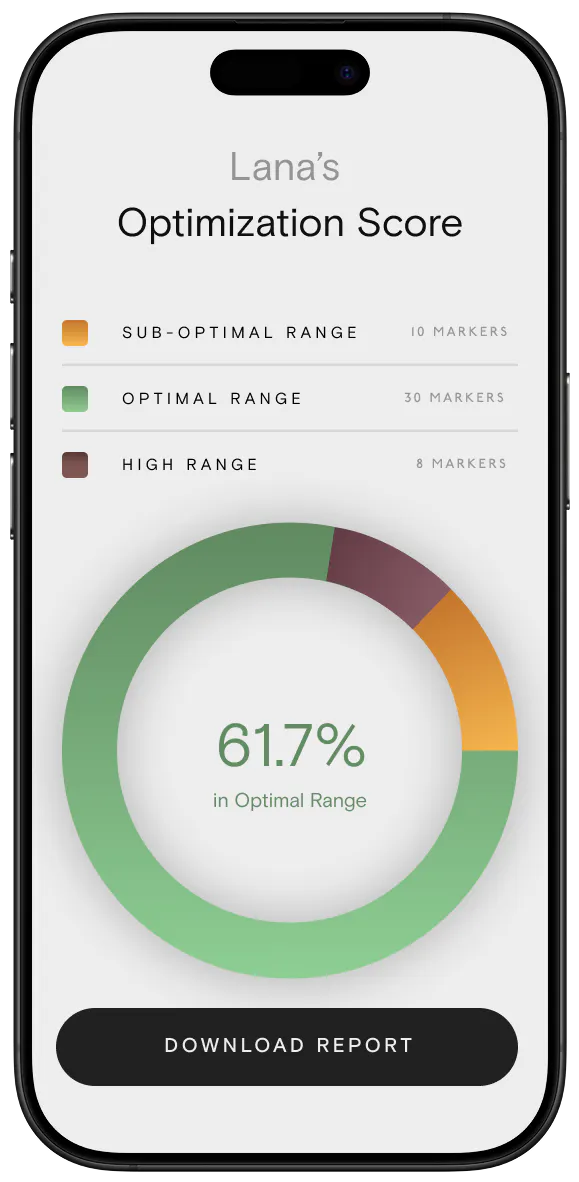
If symptom-based platforms feel too one-size-fits-all, high-touch concierge clinics like Joi Women’s Wellness (Joi + Blokes) operate on a "test, don't guess" philosophy that puts comprehensive biomarker data at the center of the patient experience. In my own experience as a Joi client, the onboarding process starts with ordering a comprehensive blood panel—completed conveniently at a local LabCorp—before you ever sit down with a provider. That upfront lab fee bundles a dedicated 30-minute 1:1 video consultation where a clinician walks through your exact hormone, thyroid, and metabolic numbers line by line, aiming for optimal ranges rather than settling for broad "normal" lab reference intervals. Instead of a rushed, symptom-only questionnaire, you get a genuinely collaborative clinical roadmap tailored to your actual physiology.
Where this high-touch model truly separates itself in the online HRT landscape is prescriptive breadth—specifically, Joi is one of the few telehealth platforms willing to prescribe testosterone for women when bloodwork warrants it. Because female testosterone remains off-label in the U.S. and requires baseline and ongoing lab monitoring, most asynchronous DTC shops and insurance-based virtual clinics leave it off their menu entirely. Through a lab-guided concierge clinic, patients struggling with stubborn fatigue, brain fog, or low libido can access custom-dosed testosterone (such as injectable or compounded options) alongside estradiol patches, oral progesterone, DHEA, or even adjunct metabolic therapies like GLP-1s. You trade the low upfront barrier of a symptom-only subscription for higher cash-pay lab and compounding pharmacy costs (though HSA/FSA cards are accepted), gaining precision dosing and true multi-hormone optimization in return.

Face-to-Face Video vs. Portal Messaging: What Ongoing Support Actually Looks Like
Starting a prescription is only half the equation; how a platform handles ongoing follow-up care is where patient satisfaction is won or lost. With asynchronous, portal-only platforms, communication happens entirely through secure text threads. That works smoothly when your initial protocol hits the mark and you just need a routine refill or a quick answer about application timing. However, when you are navigating nuanced symptom shifts—like breakthrough bleeding, persistent sleep disruption, or deciding whether to titrate an estradiol dose up or down—waiting 24 to 48 hours for a typed reply from whichever clinician is next in the queue can feel disjointed and reactive.
Face-to-face video consultations fundamentally change that dynamic, particularly at full-spectrum virtual clinics and lab-guided concierge practices. Sitting down on a live video call with a dedicated provider—especially one trained through The Menopause Society—allows for real-time back-and-forth, nuanced symptom troubleshooting, and shared decision-making around lab trends or side effects. You aren't forced to condense complex physical changes into a three-sentence portal message or wonder if your provider remembers your baseline history. While live visits require calendar coordination and sometimes carry separate follow-up fees or insurance copays, having a real clinical relationship makes fine-tuning your protocol over months and years far smoother than text-only care.

Peggy B.
An experienced HRT patient reviewer. Not a doctor. I began my own hormone replacement therapy under the care of a medical provider in 2019, and I’ve personally tested more than 9 different HRT telehealth providers.
Some links in this post are affiliate links. Affiliate disclosure


