
My experience & results7 min read
About HormoneTherapyHub.com: How One Menopause Patient Tested 8 Online HRT Providers to Uncover Real Costs
I am Peggy B., founder of HormoneTherapyHub.com—and I am a menopause patient reviewer and consumer advocate, not a doctor. I started hormone replacement therapy (HRT) back in 2019; while it helped me drop some menopause weight, it didn’t take it all off until I later paired HRT with a GLP-1 medication (more on that in my weight-loss articles). To give women honest answers, I became a paying patient across eight online HRT clinics, along with a traditional in-person doctor—testing pills, patches, gels and creams in the name of science and this site. Here, I pull back the curtain on real out-of-pocket costs, insurance rules, the difference between FDA-Approved/Bioidentical & Compounded HRT and what subscription fees actually include.


Meet Peggy B.: An HRT Patient Reviewer Looking Out for Fellow Women (Not a Doctor)
Hi, I’m Peggy—a 59-year-old wife, mom, grandmother, and commercial banking professional who had to figure out menopause the hard way. When my own symptoms hit, I quickly realized that navigating hormone replacement therapy (HRT) felt less like straightforward healthcare and more like a scavenger hunt. One price here, subscription fees there and not many details of where medications actually came from.
I started HRT back in 2019 with a traditional general practitioner (GP), and over the past several years, I’ve tried just about every delivery method on the market—oral pills, transdermal patches, topical and vaginal creams, gels, you name it. While getting my hormones balanced helped me feel like myself again and shed some of my menopause weight, it wasn't the whole puzzle for me (which is why I eventually paired my HRT with a GLP-1 medication—a journey I share in detail in my weight-loss posts).
Because my day job is rooted in commercial banking and crunching numbers, I couldn't help bringing that same "show me the fine print" mindset to telehealth. Instead of guessing or taking marketing claims at face value, I enrolled as an actual paying patient across eight different online HRT providers—Midi Health, Alloy, Winona, Inner Balance, Effecty, Musely, MyMenopauseRx, and Joi Women's Wellness—in addition to my traditional GP, tracking every dollar, pharmacy fulfillment hurdle, and subscription fee firsthand.
To be crystal clear: I am not a doctor, nurse practitioner, or licensed medical provider. I don't give medical advice, diagnose symptoms, or tell you which hormones to take. I built HormoneTherapyHub.com to be the straight-talking girlfriend and consumer advocate who already paid the tuition across eight telehealth clinics—so you don't waste money on hidden membership fees, surprise bills, or confusing click-marketing.

Why I Became a Paying Patient at 8 Online HRT Clinics (Plus My Traditional GP)
Once COVID settled down and telehealth became mainstream, I took a hard look at my calendar and realized I had zero interest in driving 45 minutes each way to a traditional doctor’s office—plus sitting in a waiting room—just for a 15-to-20-minute routine check-in. All I really needed was a focused video visit or the ability to message my clinician through a HIPAA-secure patient portal so I could ask questions and fine-tune my dosages as my symptoms changed.
I actually started my HRT journey back in 2019 with a traditional general practitioner (GP), giving me a solid baseline for what standard in-person care looked like. Because he prescribed a custom compound, I was already paying out-of-pocket for my medications anyway—so I decided to turn my own care into a real-world consumer audit. Instead of sticking with just one provider and hoping I got the best price or clinical support, I figured: why not pay multiple doctors and telehealth clinics to see how they actually practice?
Over time, I enrolled as a paying patient across eight different online HRT platforms—Midi Health, Alloy, Winona, Inner Balance, Effecty, Musely, MyMenopauseRx, and Joi Women's Wellness—in addition to my traditional GP. Going through the actual intake, consultation, and pharmacy fulfillment process at each one showed me massive differences that you simply cannot see from a homepage:
Going through the actual intake, consultation, and pharmacy fulfillment process at each clinic revealed massive differences you simply can't spot from a homepage. For starters, communication varies wildly—some platforms pair you with a dedicated clinician over video who listens and adjusts protocols thoughtfully, while others rely almost entirely on asynchronous intake forms and chat portal messaging. Even when a clinic claims to accept insurance, surprise billing, out-of-network deductibles, and fragmented local pharmacy pickups can make a straightforward cash-pay model look much simpler—or vice versa.
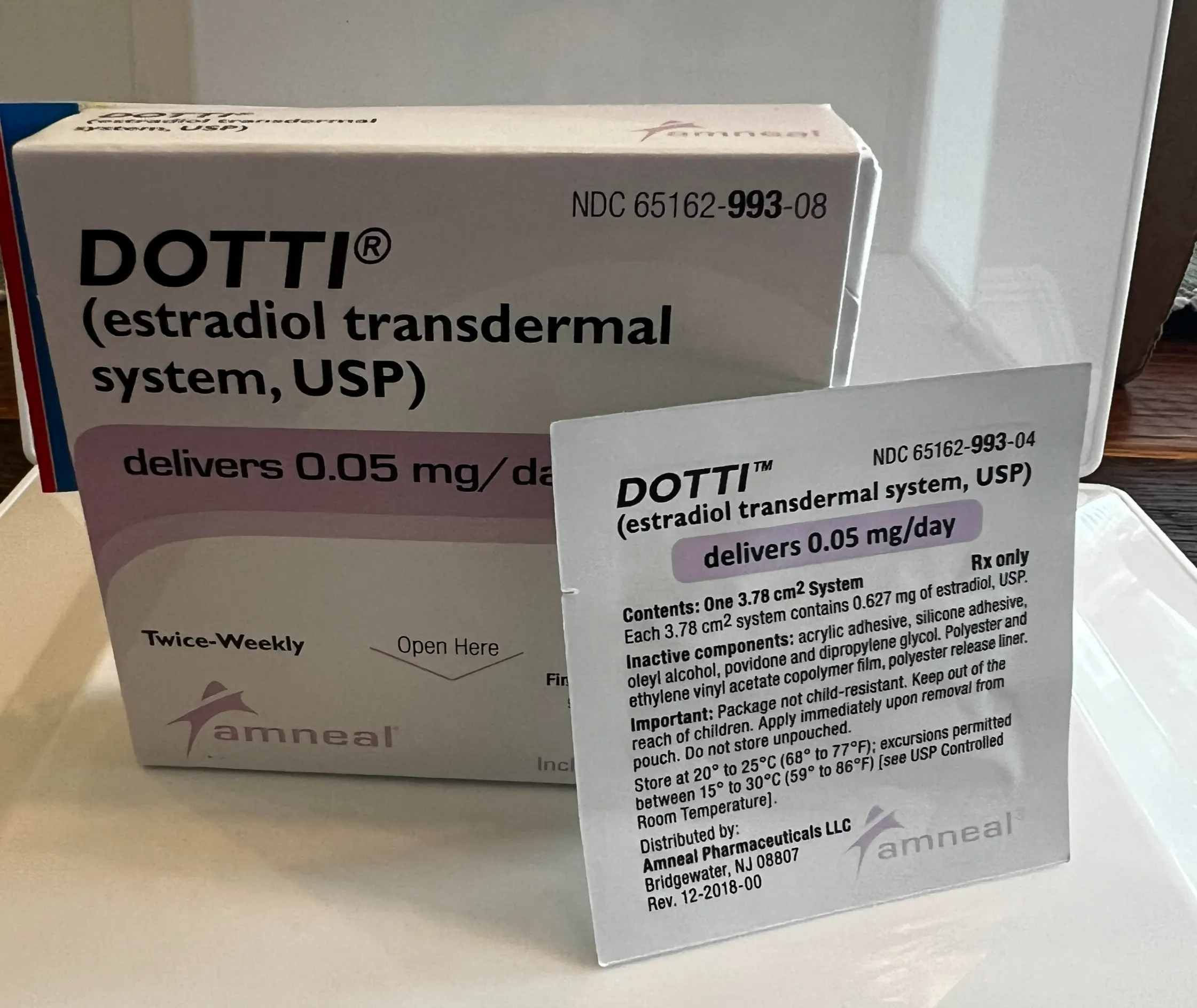
Then there’s the click-marketing trap around "bioidentical" hormones. Online ads make it easy to assume bioidentical and compounded mean the same thing and that anything FDA-approved is synthetic. In reality, many standard retail prescriptions—like estradiol patches and micronized progesterone—are already bioidentical, tested for batch-to-batch consistency, and often eligible for insurance, whereas custom-compounded creams are mixed to order and almost always cash-pay.
By testing these eight telehealth platforms side-by-side with my own money—and comparing them directly against my early experience with a traditional GP—I’ve documented the exact fees, response times, and prescription models so you can pick the right clinic before handing over your credit card.

What This HRT Patient Reviewer Audits So You Don’t Get Burned by Hidden Fees
When I dig in to an online menopause clinic, I look past the polished Instagram ads and evaluate the actual patient experience—and the real-world math—behind every prescription. Here are the four non-negotiables I break down in every review on HormoneTherapyHub.com:
- True Out-of-Pocket Costs (and Supply Cadence): I track the real monthly cost at checkout, verify whether prescriptions ship as a 30-day or 90-day supply (since auto-shipped 90-day refills carry a steep upfront charge), and test how easy—or frustrating—it is to pause or cancel your subscription if you change your mind or aren't happy with your results.
- Consultation & Membership Fees: A low medication price doesn't mean much if you're paying hidden gatekeeping fees just to talk to a clinician. I spell out whether initial doctor visits, follow-up dosage tweaks, and ongoing portal/chat messaging are bundled into a flat monthly membership or billed a la carte every time you need an adjustment.
- Insurance Acceptance: A few telehealth platforms advertise "insurance accepted" in bold print, only to leave you navigating out-of-network deductibles, if your insurance isn't in-network. I clarify which clinics genuinely bill commercial health insurance in-network versus which ones operate strictly on a cash-pay or HSA/FSA-only model. I also clarify which ones will send prescriptions to local pharmacies where you can utliize prescription insurance or a GoodRx coupon.
- Fulfillment & Pharmacy Transparency: Not every online clinic gives you a choice between FDA-approved prescriptions (sent to your local retail pharmacy) and custom-compounded medications (shipped from a partner compounding pharmacy)—in fact, several platforms have business models built exclusively around one or the other. I flag exactly what each clinic prescribes, whether you have a say in the formulation, and how fast prescriptions actually arrive at your door.

Patient Advocate, Not a Doctor - How to Use My HRT Reviews Safely
Because hormone replacement therapy affects both your health and your wallet, I hold HormoneTherapyHub.com to strict editorial and safety standards so you always know where my personal experience ends and licensed medical care begins:
Everything on HormoneTherapyHub.com—including my clinic reviews, cost breakdowns, and personal stories about HRT and GLP-1s—is shared strictly for informational and consumer-education purposes. Because I am a patient advocate and not a physician, nurse practitioner, pharmacist, or licensed medical provider, nothing I write should ever be taken as medical advice, a diagnosis, or a treatment recommendation.
Hormone replacement therapy always requires a prescription from a clinician licensed in your state, and treatment is never one-size-fits-all. Always consult a qualified healthcare provider before starting, changing, or stopping any prescription medication, and use my comparison charts simply as a starting point to ask smarter questions about your options and out-of-pocket costs.
To keep my reviews completely honest, I enrolled as an actual paying patient across all eight online HRT clinics (in addition to my traditional GP) using my own money and the health insurance provided by the bank I work for. No telehealth brand paid to be included in my comparison chart, and no clinic gets any editorial control over my ratings, wait-time notes, or fee math.
Finally, some links on HormoneTherapyHub.com may be affiliate links, meaning I may earn a small referral commission at zero extra cost to you if you choose to sign up through my site or use one of my coupon codes. Because telehealth platforms frequently update their subscription tiers and pharmacy pricing, I regularly audit and timestamp my comparison charts to keep the numbers as current as possible.
Your HRT Patient Reviewer’s Bottom Line: Compare Real Clinic Costs Before You Commit
Navigating menopause shouldn't require a background in stats—or a blind leap into expensive monthly subscriptions just to find out what hormone replacement therapy actually costs. Since starting HRT back in 2019 and testing eight online clinics—Midi Health, Alloy, Winona, Inner Balance, Effecty, Musely, MyMenopauseRx, and Joi Women's Wellness—alongside my traditional GP as a paying patient, my mission at HormoneTherapyHub.com has been simple: give women the straight-talking, fine-print-checked numbers I wish I had on day one.
Whether you're trying to separate bioidentical click-marketing from FDA-approved options, check insurance acceptance, or avoid surprise 90-day auto-ship bills, head over to my updated HRT Pricing Comparison Chart to see how every provider stacks up before you hand over your credit card.
Frequently Asked Questions About HormoneTherapyHub.com
Is Peggy B. a doctor or licensed medical provider?
No. Peggy B. is a 59-year-old menopause patient reviewer, commercial banking professional, and consumer advocate—not a physician, nurse practitioner, or pharmacist. Everything on HormoneTherapyHub.com is shared strictly for consumer education and cost transparency, never as medical advice. Always partner with a clinician licensed in your state before starting, changing, or stopping hormone replacement therapy.
Which online HRT clinics has HormoneTherapyHub.com tested firsthand?
Founder Peggy B. enrolled as a paying patient across eight online HRT platforms—Midi Health, Alloy, Winona, Inner Balance, Effecty, Musely, MyMenopauseRx, and Joi Women's Wellness—in addition to her initial care with a traditional general practitioner (GP). Every review reflects real-world checkout pricing, portal communication, and pharmacy fulfillment rather than homepage marketing claims.
Do online HRT clinics accept health insurance?
Some do, and many do not. Platforms like Midi Health and MyMenopauseRx accept commercial health insurance for clinical visits (with retail pharmacy prescriptions billed separately through your plan), whereas direct-to-consumer platforms such as Winona, Alloy, Inner Balance, Effecty, Musely, and Joi Women's Wellness operate primarily on a cash-pay or HSA/FSA-eligible model. HormoneTherapyHub.com's pricing comparison chart breaks down insurance acceptance, consultation fees, and 30-day vs. 90-day supply billing for every clinic.
What is the difference between bioidentical, FDA-approved, and compounded HRT?
"Bioidentical" describes the hormone molecule itself—meaning it matches the chemical structure of the estrogen or progesterone your body produces naturally. Many standard retail prescriptions, such as estradiol patches and oral micronized progesterone, are already bioidentical, FDA-approved for batch-to-batch potency, and frequently covered by insurance. Custom-compounded HRT (such as multi-hormone creams or troches) is mixed to order by a compounding pharmacy, is not FDA-approved, and is almost always paid 100% out-of-pocket.
Are the clinic reviews on HormoneTherapyHub.com sponsored?
No. Every clinic audit on HormoneTherapyHub.com was self-funded by Peggy B. using her own money, HSA funds, and employer-provided prescription insurance. No telehealth brand pays for placement or has editorial control over ratings, fee breakdowns, or wait-time notes. Some outbound links may be affiliate links that earn a small commission at no extra cost to readers to help fund ongoing clinic testing.
Check Out my NEW HRT Price Comparison Chart

Peggy B.
An experienced HRT patient reviewer. Not a doctor. I began my own hormone replacement therapy under the care of a medical provider in 2019, and I’ve personally tested more than 9 different HRT telehealth providers.
Some links in this post are affiliate links. Affiliate disclosure


