
Alloy vs. Musely (2026): Estrogen Creams, Patches & Tablets Compared


In the years I've been working to keep my website and blog up-to-date, I have tried Estrogen Patches and Topical Creams. I've not tried Estradiol Gel or Tablets. I've always tried to stay away from pills as I felt creams, whether vaginal or topical and patches were just a better route to go.
Who knows? I may be completely wrong, but based on the research I've done, it just seems like there are more positive studes on the topical & vaginal creams and patches than oral HRT medications.

Are HRT Patches Better than Tablets or creams?
HRT patches, oral tablets, vaginal creams and topical creams each deliver hormones into your system differently, and no single delivery method is universally superior. While patches are often praised for bypassing liver metabolism and maintaining steady hormone levels in the bloodstream, the real question isn't which option is absolute best—it’s "Which formulation works best for me?" Every woman’s body metabolizes hormones uniquely, meaning that a treatment plan that offers complete symptom relief for one person might feel entirely different for another.
Finding the right approach comes down to balancing your personal health history, baseline risk factors, and everyday lifestyle preferences. For instance, women managing hypertension or a history of migraines may benefit more from transdermal options like patches or gels, whereas others might prefer the simple daily convenience of an oral tablet. Because response rates, skin sensitivity, and absorption levels vary so widely, hormone therapy should always be tailored to your specific body rather than a one-size-fits-all recommendation.
Dr. Sarah Daccarett, CEO of Inner Balance, advocates for vaginal transmucosal delivery over traditional patches, pills, and skin creams because it leverages highly permeable mucosal tissue for more consistent and reliable systemic absorption. While she notes that up to 70% of women struggle with poor absorption or hormone fluctuations from transdermal patches due to skin thickness and adhesive failures, vaginal administration bypasses liver first-pass metabolism and delivers bioidentical hormones directly into the bloodstream.
Do I Need HRT Labs to Get Started
Whether you need lab work to start hormone replacement therapy depends entirely on the physician, the practice model, and their clinical philosophy. Many mainstream practitioners adhere strictly to symptom-based guidelines—such as the North American Menopause Society (NAMS) approach—which advocate for evidence-based medicine centered primarily on clinical history and symptom presentation.
For healthy women experiencing classic vasomotor symptoms like hot flashes and night sweats within a certain age window, these providers often prescribe HRT without requiring baseline blood tests, noting that serum hormone levels fluctuate wildly during perimenopause and do not always correlate with symptom severity.
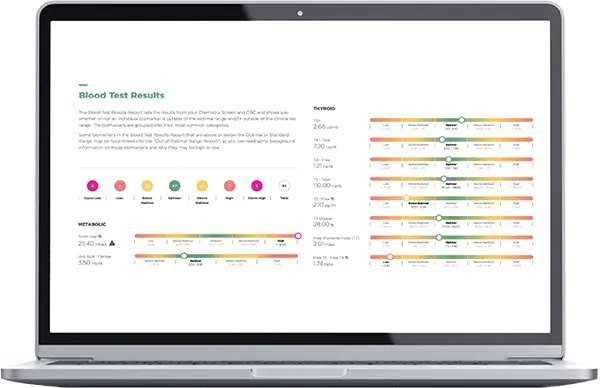
Conversely, specialized wellness and longevity practices take a data-driven approach by diving deep into comprehensive biomarkers to map the whole picture. Platforms like Joi Women's Wellness require detailed diagnostic bloodwork before initiating a protocol, evaluating dozens of data points across hormonal balance, metabolic function, thyroid health, and nutrient status.
By examining the entire physiological landscape rather than just treating surface symptoms, these clinics aim to eliminate guesswork, identify hidden imbalances like midlife metabolic gridlock or vitamin deficiencies, and tailor a precise, individualized program for every woman.

Does Insurance Cover Hormone Replacement Therapy
Navigating insurance coverage for hormone replacement therapy usually comes down to one key distinction: whether your prescription is mass-manufactured and FDA-approved or custom-blended by a compounding pharmacy. If you work with a healthcare provider who prescribes FDA-approved formulations and standard, standardized doses—such as generic oral estradiol, FDA-approved progesterone capsules, or standard transdermal estradiol patches—your treatment is likely covered by most major commercial insurance plans. In these cases, your insurance treats HRT like any other standard maintenance medication, leaving you responsible only for your typical copay or deductible.
On the other hand, if you partner with a specialized clinic or an online telehealth platform that relies on compounding pharmacies for custom-tailored creams, troches, or pellets, you should expect to pay out of pocket. Because compounded medications are customized for individual patients and do not go through the formal FDA drug approval process, most insurance formularies explicitly exclude them from pharmacy benefits.
While some telehealth providers allow you to use Health Savings Accounts (HSA) or Flexible Spending Accounts (FSA) to offset these costs, the routine monthly expense of compounded formulations will be a direct cash pay responsibility.

Can I get Hormone Replacement Therapy Online
As a patient reviewer who has personally navigated care with almost ten different providers, I can confidently say that you simply cannot beat telehealth when it comes to getting expert HRT care. Finding a local, in-person physician who is genuinely well-versed in the nuances of perimenopause and menopause can feel like an uphill battle, often leading to dismissed symptoms or rigid, one-size-fits-all prescribing.
Telehealth bridges that gap by connecting you directly with dedicated menopause specialists who understand complex hormonal transitions, stay up to date on current clinical research, and actually take the time to listen to your lived experience.
Beyond easy access to specialized expertise, the biggest advantage of top-tier virtual care platforms is their willingness to think outside the box. Every woman’s hormonal footprint is different, and standard protocols don't work for unique health profiles, absorption issues, or lingering symptoms.
Specialized telehealth providers excel at crafting tailored, highly individualized treatment plans—whether that means exploring alternative delivery methods, tweaking custom dosing ratios, or looking at comprehensive wellness data. For women seeking nuanced, compassionate, and flexible care, online specialized HRT providers offer a level of tailored support that traditional brick-and-mortar practices rarely match.
Estrogen Creams, Patches & Tablets: Alloy vs. Musely
Provider | Consult Fee | Delivery Form | Equivalent Monthly Cost | Billed & Shipped As |
$49 (One-time) | Estrogen Patch | $100.00 / mo | $300 billed every 3 months | |
Estrogen Tablet | $39.99 / mo | $119.97 billed every 3 months | ||
Estrogen Gel (100% Estradiol) | $69.99 / mo | $209.97 billed every 3 months | ||
$20 (One-time) | Estrogen Bi-Est Cream (80% Estriol:20% Estradiol) | $46.00 / mo | $92 billed every 2 months | |
Estrogen Tablet | $35.00 / mo | $70 billed every 2 months | ||
Estrogen Patch | N/A | N/A |
HRT Patches, Are They Bioidentical ?
Yes, the vast majority of estrogen HRT patches available on the market today are bioidentical. Standard FDA-approved transdermal patches—such as Vivelle-Dot, Climara, and Minivelle, as well as their generic counterparts—deliver estradiol, which is structurally identical to the natural estrogen produced by your ovaries.
It is worth noting that while pure estradiol patches contain bioidentical estrogen, certain combination patches (which contain both estrogen and a progestin in a single patch) may pair bioidentical estradiol with a synthetic progestin rather than bioidentical progesterone.
Stay away from synthetic progestin, if you can. Always ask for Progesterone.

Is Hormone Replacement Therapy FDA Approved
The short answer is yes, but it depends entirely on the specific product and formulation. Many forms of hormone replacement therapy—including oral bioidentical estradiol, micronized progesterone (Prometrium), and transdermal estradiol patches and gels—are fully FDA-approved.
These mass-manufactured pharmaceuticals have undergone rigorous clinical trials to prove their safety, purity, and efficacy for treating menopausal symptoms like hot flashes and bone loss.
However, custom-compounded bioidentical hormones are not FDA-approved. When a compounding pharmacy custom-blends estrogens, progesterone, or testosterone into specific creams, troches, or pellets, those individual finished products do not go through the formal FDA drug review or approval process.
Alloy vs. Musely (2026): Estrogen Creams, Patches & Tablets Compared
When comparing these two popular telehealth platforms, a major distinction comes down to delivery methods and formulation choices: Alloy offers standard FDA-approved estrogen patches. If your goal is to use a traditional transdermal patch for continuous, steady hormone absorption, Alloy provides a direct, streamlined path to standard twice-weekly options.
On the other hand, Musely offers their specialized BiEst "Estrogen Boost" Cream, a custom-compounded topical formulation blending estriol and estradiol. Many functional medicine doctors view BiEst as a gentler, more customizable approach to hormone replacement therapy, making it an ideal starting point for women who are completely new to HRT or particularly sensitive to standard initial pharmaceutical doses.
This allows patients to ease into therapy andonly graduating to 100% Estradiol ( strongest Estrogen) if needed to manage symptoms.


Comments